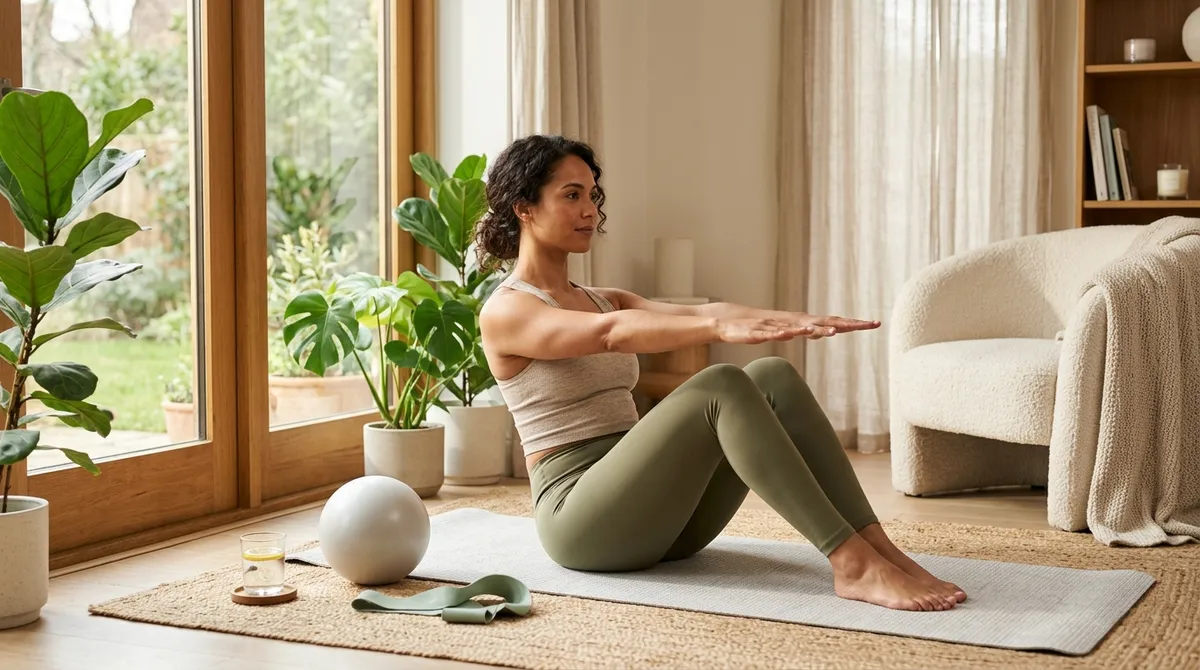
Why Pilates Is Having a Moment in Wellness
Pilates continues to grow as one of the most popular low-impact workout options for people of all fitness levels. According to reports, the practice is gaining traction for its ability to build core strength, improve mobility, and support overall stability — all without putting excessive strain on the body.
A recent Fitness Friday segment from 8News highlighted just how accessible Pilates can be, featuring special guests who walked through beginner-friendly moves and explained what makes the practice such an effective addition to a wellness routine. Whether you're brand new to structured exercise or simply looking for a gentler approach to staying active, Pilates may be worth adding to your weekly schedule.
What Makes Pilates Different from Other Workouts
Unlike high-intensity cardio or heavy strength training, Pilates is designed to be low-impact — meaning it places less stress on joints while still delivering meaningful results. According to the 8News segment, core stability is one of the primary benefits guests highlighted during their demonstration.
This makes it especially appealing for people who are recovering from minor injuries, managing busy schedules, or simply looking for a workout they can sustain long-term. Pilates exercises tend to focus on controlled, deliberate movement rather than speed or heavy resistance, which naturally lends itself to a beginner-friendly experience.
For yoga practitioners, the crossover is intuitive. Many Pilates movements emphasize breath coordination, body awareness, and postural alignment — principles that feel familiar to anyone who has spent time on a yoga mat.
Beginner Pilates Moves Anyone Can Try
If you're curious about Pilates but not sure where to start, here are some foundational moves that align with what was demonstrated in the 8News Fitness Friday segment. These are accessible for most fitness levels and can be done at home with just a mat.
The Hundred One of the most recognized Pilates exercises, the Hundred engages the core while incorporating rhythmic arm pumps and controlled breathing. It's often used as a warm-up move to activate the abdominal muscles and get blood flowing.
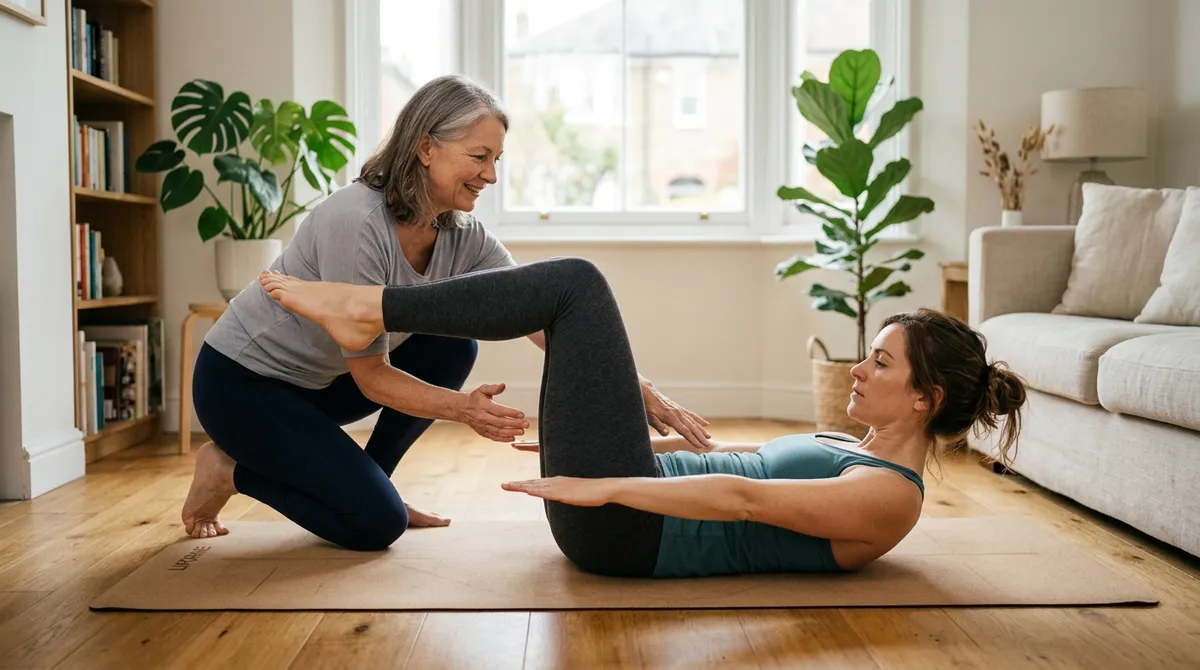
Leg Circles Lying on your back, you draw slow, controlled circles in the air with one leg at a time. This move builds hip mobility and challenges core stability as you work to keep your lower back grounded.
The Bridge With feet flat on the floor and knees bent, you lift the hips toward the ceiling in a slow, controlled motion. This targets the glutes, hamstrings, and lower back — all areas that benefit from regular strengthening.
Single Leg Stretch This move involves drawing one knee toward the chest while extending the opposite leg, alternating sides in a fluid motion. It challenges coordination alongside core engagement.
Spine Stretch Forward Seated with legs extended, you reach forward with a lengthened spine. This promotes flexibility in the hamstrings and back, making it a nice complement to stronger core work.
As with any new exercise routine, it's important to move at your own pace and listen to your body.
Low-Impact Doesn't Mean Low Results
One of the most common misconceptions about Pilates is that because it's gentle, it must not be effective. That simply isn't the case. The controlled nature of Pilates movements means muscles are often working harder than they appear to be, particularly the deep stabilizing muscles of the core that don't always get targeted in traditional gym workouts.
For busy people looking for a time-efficient routine, Pilates can be done in as little as 20 to 30 minutes and still deliver meaningful benefits for strength and flexibility. According to reports, it's the kind of workout that fits naturally into a home wellness routine — no equipment required for most beginner exercises.
Make It Your Fitness Friday Ritual
The Fitness Friday concept is a simple but effective way to build consistency into your wellness life. Designating one day a week to try something new — like a beginner Pilates flow — takes the pressure off committing to a full overhaul of your routine.
If you already have a yoga practice, consider adding a short Pilates session to complement it. The two disciplines share a focus on mindful movement, breathwork, and body awareness, making them natural partners in a well-rounded wellness plan.
Start with just a few of the beginner moves listed above, hold each position with intention, and focus on how your body feels throughout. That mindful attention is exactly what makes both yoga and Pilates such sustainable long-term practices.
Whether you're stepping onto the mat for the first time or looking to mix up your current routine, Pilates offers an accessible, low-impact path toward greater strength and mobility — one controlled movement at a time.