
The Evolution of Women's Wellness
Women's wellness conversations are becoming more practical, body-literate, and hygiene-focused as we move through 2026. According to reports, this shift reflects a broader move from trend-led self-care to evidence-informed daily routines, particularly as fitness participation, skincare education, and menstrual tracking become mainstream.
Five key wellness rituals are emerging as foundational elements shaping women's self-care approaches, emphasizing informed, consistent habits around hygiene, skincare, menstrual health, fitness, and sleep.
1. Intimate Hygiene with pH Awareness
The first ritual focuses on pH-aware intimate hygiene practices. This approach moves beyond generic hygiene advice to embrace understanding the body's natural pH balance. Women are increasingly adopting pH-safe intimate hygiene practices, moving away from harsh products that can disrupt the body's natural protective mechanisms.
This ritual emphasizes the importance of understanding what products and practices support rather than compromise intimate health, representing a more informed approach to personal hygiene.
2. Menstrual Cycle Tracking as a Health Tool
Cycle tracking has evolved from a fertility-focused practice to a comprehensive health monitoring tool. This ritual involves using menstrual cycle patterns as indicators of overall wellness, helping women understand their bodies' rhythms and identify potential health concerns early.
According to reports, this practice is becoming mainstream as women recognize how cycle tracking can improve everyday health beyond reproductive concerns. The focus has shifted to viewing menstrual cycles as valuable health data rather than inconvenient monthly occurrences.
3. Skin Barrier Maintenance as Daily Discipline
Skin barrier maintenance has emerged as a daily discipline rather than an occasional treatment. This ritual emphasizes consistent practices that protect and strengthen the skin's natural barrier function, moving beyond surface-level skincare to focus on fundamental skin health.
The approach prioritizes understanding what compromises skin barrier function and implementing daily habits that support long-term skin health and resilience.
4. Post-Exercise Hygiene as Fixed Commitment
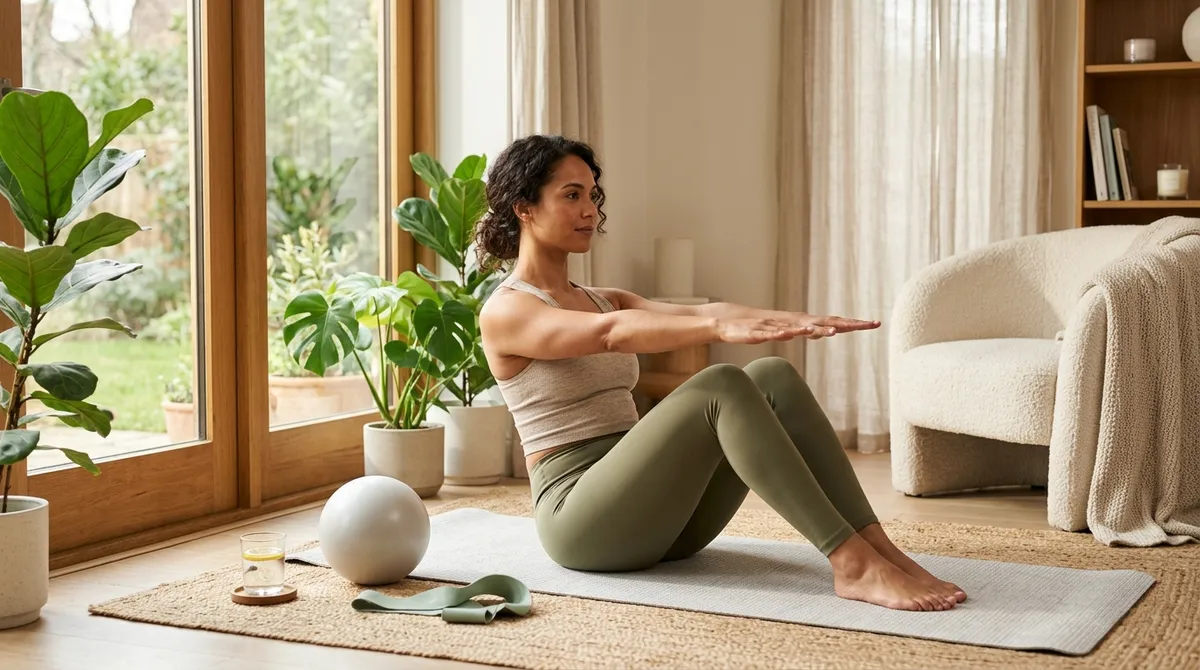
Post-workout hygiene has been elevated from an optional afterthought to a fixed commitment in women's fitness routines. This ritual recognizes that proper hygiene immediately following exercise is crucial for preventing skin issues, infections, and other health complications.
As fitness participation increases among women, establishing consistent post-exercise hygiene protocols has become an integral part of workout routines, not an add-on convenience.
5. Sleep-Time Hygiene as Repair Preparation
The final ritual treats sleep-time hygiene as active preparation for the body's repair processes. This approach goes beyond basic bedtime routines to create optimal conditions for the body's natural restoration during sleep.
According to reports, this ritual focuses on night-time hygiene habits that support both better sleep quality and improved skin health, recognizing sleep as an active wellness period rather than passive downtime.
The Practical Shift in Self-Care
These five rituals represent a fundamental shift in how women approach wellness. Rather than following trends or one-size-fits-all advice, the 2026 approach emphasizes:
- Body literacy: Understanding how the body functions and what it needs
- Evidence-informed practices: Choosing habits based on health benefits rather than marketing claims
- Consistency over intensity: Building sustainable daily practices rather than dramatic interventions
- Myth-busting: Questioning traditional wellness advice and adopting practices that truly support health
Building Your Wellness Foundation
For women looking to implement these rituals, the key is starting with one area and building consistency before adding new practices. Each ritual requires understanding your body's specific needs and responses rather than following generic advice.
The strongest approach involves identifying what to stop doing in the name of hygiene or wellness, then gradually building evidence-based habits that support your body's natural functions.
These wellness rituals reflect a maturing conversation around women's health, moving from surface-level self-care to deeper understanding of what truly supports long-term wellness and vitality.