Breaking Barriers in the Wellness Space
The wellness industry has long struggled with representation and accessibility, particularly when it comes to serving Black women. According to reports, this demographic has been historically excluded from wellness spaces, creating a significant gap in culturally-aware fitness options. However, one former Division I athlete is working to change that narrative entirely.
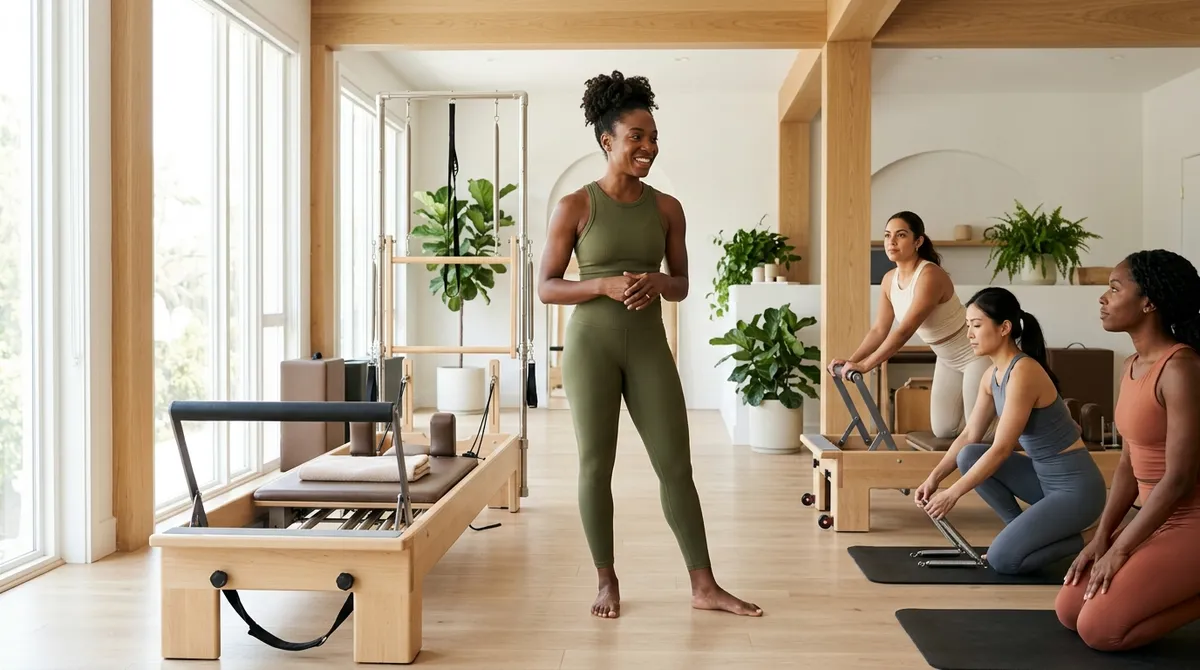
Camai, founder of Embody Pilates, represents a new wave of wellness entrepreneurs who are challenging traditional industry norms. Her journey from Ohio State track star to studio owner illustrates how athletic backgrounds can translate into innovative approaches to holistic health and fitness entrepreneurship.
From Athletic Performance to Holistic Health
The transition from competitive athletics to wellness entrepreneurship offers unique insights into what bodies actually need for long-term health. According to reports, Camai's background as a Division I athlete at Ohio State provided her with a deep understanding of athletic performance that now informs her approach to Pilates instruction.
This athlete-to-entrepreneur pivot highlights how former competitors are finding new ways to channel their performance knowledge into accessible wellness solutions. The intersection of athletic performance and holistic health creates opportunities for more comprehensive approaches to fitness that go beyond traditional gym models.
Tailored Benefits for Black Women's Bodies
According to reports, Pilates offers specific physical and mental health benefits when tailored for Black women's bodies and needs. This personalized approach acknowledges that fitness isn't one-size-fits-all and that cultural awareness plays a crucial role in effective wellness programming.
The focus on body-positive fitness represents a shift away from generic workout routines toward more inclusive practices that honor different body types and cultural backgrounds. This approach challenges common misconceptions about who Pilates is for and what it can accomplish.
Making Luxury Wellness Accessible
One of the most significant challenges in the wellness industry is the perception that high-quality fitness experiences are only available to those with significant financial resources. According to reports, Camai is working to make luxury wellness more accessible, addressing the gap between premium fitness experiences and community accessibility.
This effort to democratize luxury wellness speaks to a broader movement in the fitness industry toward inclusivity. By breaking down barriers that have traditionally kept certain communities out of premium wellness spaces, entrepreneurs like Camai are proving that there's substantial demand for culturally-aware fitness options.
Building Community in Fitness
The concept of community building within fitness spaces has gained significant attention as more people recognize the importance of belonging in wellness journeys. According to reports, Camai's approach centers Black women's experiences, creating spaces where this demographic feels seen and supported.
This community-focused model challenges the individualistic approach that has dominated much of the fitness industry. Instead of focusing solely on personal transformation, this approach recognizes that wellness happens best within supportive, culturally-aware environments.
Redefining What Luxury Wellness Actually Means
The conversation around luxury wellness is evolving beyond expensive equipment and exclusive memberships. According to reports, there's growing recognition that true luxury in wellness might actually mean accessibility, cultural competency, and personalized attention rather than just premium pricing.
This redefinition has significant implications for how the industry approaches service delivery and client relationships. When wellness entrepreneurs prioritize inclusivity and cultural awareness, they create more meaningful and sustainable fitness experiences.
The Future of Inclusive Fitness
The success of culturally-aware wellness spaces suggests that the industry is ready for more diverse leadership and programming. According to reports, there's massive demand for fitness spaces that center previously excluded communities, indicating significant growth opportunities for entrepreneurs willing to challenge traditional industry norms.
This trend toward inclusive fitness entrepreneurship represents more than just a business opportunity—it's a fundamental shift toward wellness approaches that actually serve diverse communities effectively. As more entrepreneurs follow this model, the entire industry benefits from expanded perspectives and more comprehensive approaches to health and fitness.