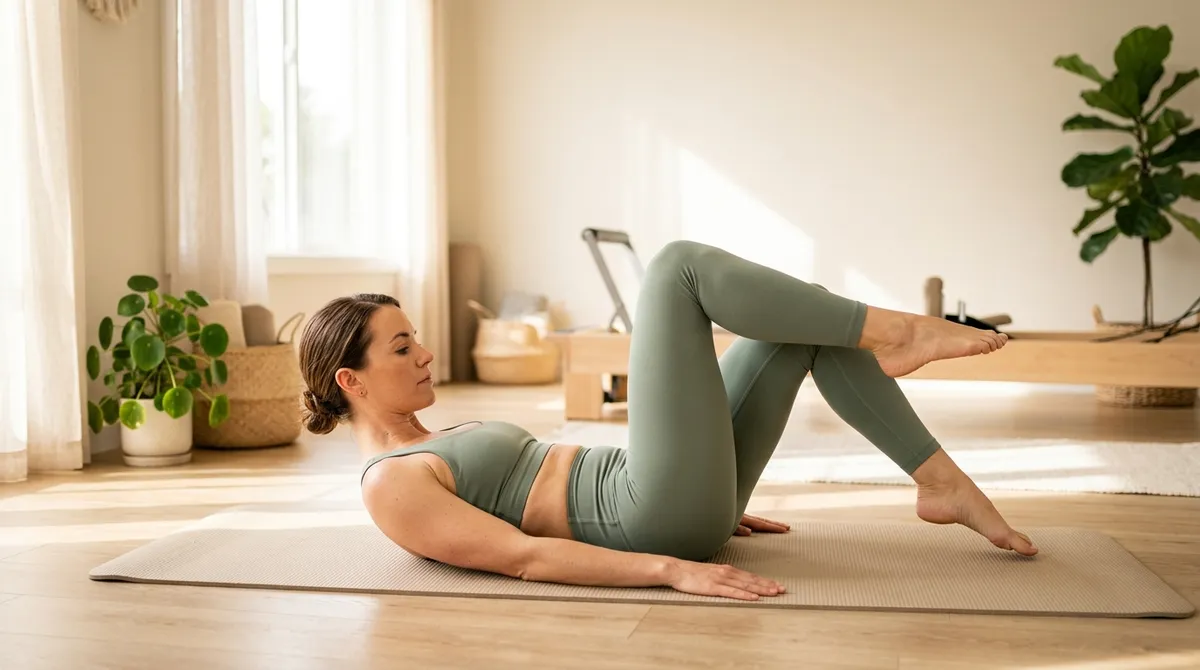

Exploring the deeper layers of yoga practice often leads to discovering unique poses that challenge both body and mind. One such pose is the 'Cat Pulling Its Tail' transition, which offers an opportunity to deepen flexibility, balance, and concentration.
This intriguing transition combines elements of twisting and balance, making it a beneficial addition to any yoga routine. It encourages practitioners to engage their core muscles while simultaneously opening the hips and chest. This guide will explore how to perform this transition effectively, its benefits, and tips for integrating it into your practice.
Understanding the 'Cat Pulling Its Tail' Transition
The 'Cat Pulling Its Tail' pose, rooted in ancient yoga traditions, provides a dynamic way to enhance your practice. This transition often begins from a seated position, such as Dandasana, before moving into a more complex twist. The pose involves extending one leg forward while pulling the opposite arm behind, creating a deep stretch across the torso and limbs.
Performing this transition requires focus and preparation. Start by sitting tall, grounding your sit bones into the mat. Extend one leg forward and bring the opposite foot to the inner thigh of the straight leg. Reach diagonally with the opposite arm and gently guide the hand behind you, aiming to hold your foot or ankle.
Key Benefits of the Transition
Incorporating the 'Cat Pulling Its Tail' transition into your yoga routine offers several benefits. Primarily, it enhances spinal flexibility and encourages a deep stretch in the shoulders and hips. This pose also promotes balance and coordination, as it requires maintaining stability while twisting and reaching.
Moreover, this transition aids in opening the chest, which can improve respiratory capacity and posture. It can also act as a gentle release for tension built up in the back and shoulders, promoting relaxation and stress relief.
Strengthening Core Muscles
Engaging the core is essential in the 'Cat Pulling Its Tail' transition. As you twist and balance, the abdominal muscles work to stabilize the body, enhancing strength and endurance over time. This focus on core engagement not only supports the pose but also benefits overall posture and stability in daily activities.
Steps to Integrate the Transition into Your Practice
To effectively integrate the 'Cat Pulling Its Tail' transition into your practice, start with a warm-up that includes hip openers and spinal twists. This preparation ensures your body is ready for the demands of the transition. As you practice, listen to your body and avoid pushing past your limits.
Begin in a seated position, extending one leg forward. Use your opposite arm to guide the twist, reaching behind and aiming to clasp your foot or ankle. Maintain a steady breath, inhaling as you lengthen the spine and exhaling as you deepen the twist. Hold the position for several breaths before slowly releasing and switching sides.
Common Mistakes and How to Avoid Them
While practicing the 'Cat Pulling Its Tail' transition, it's important to be mindful of common mistakes. Avoid collapsing the chest or rounding the back, as this compromises alignment and the effectiveness of the stretch. Instead, focus on elongating the spine and keeping the chest open.
Another common error is forcing the twist, which can lead to strain or injury. Always move within your range of motion, using the breath to guide the depth of the twist. If reaching your foot or ankle proves challenging, use a strap to assist until flexibility increases.
Conclusion: Embrace the Challenge
Incorporating the 'Cat Pulling Its Tail' transition into your yoga practice can transform both your physical and mental approach to yoga. This transition challenges you to explore new levels of flexibility, balance, and focus. By practicing regularly and mindfully, you can enhance your yoga journey and discover the benefits that this unique pose offers.
Remember, every body is different, and progress comes with patience and consistency. Embrace the journey and enjoy the process of growth and exploration in your yoga practice.